


Partial Plate Dentures Explained: Candidacy, Benefits, and FAQs
Rockwest Dental Clinic Mississauga • August 15, 2026

Source:
Dr. Marketing
Losing a few teeth can change more than the appearance of a smile. Missing teeth may affect chewing, speech, and the way remaining teeth function together. When several natural teeth are still healthy, replacing every tooth is usually unnecessary. This is where partial plate dentures may be considered.
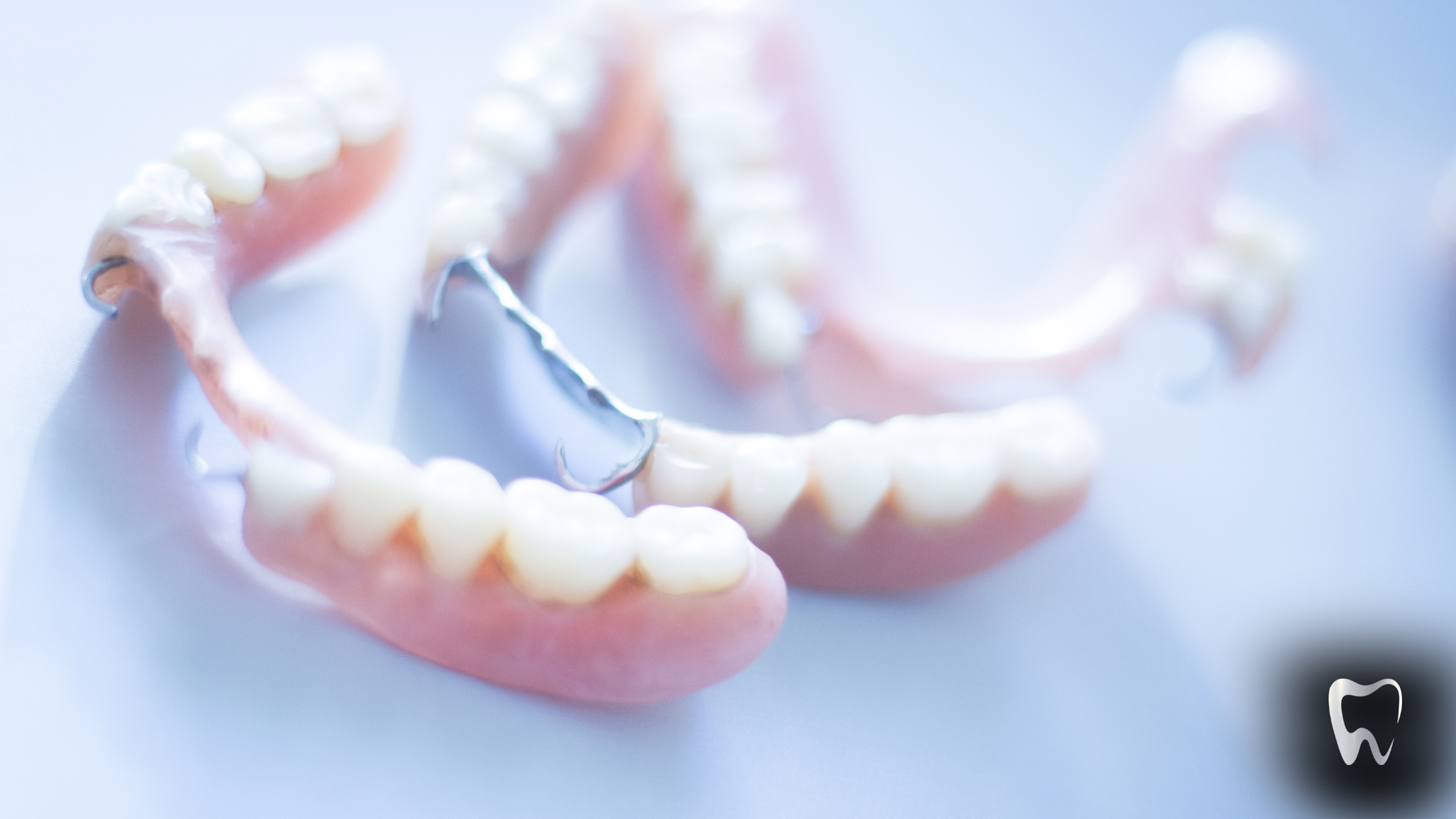
Partial plate dentures, commonly referred to as partial dentures, are removable dental appliances designed to replace one or more missing teeth while working alongside the natural teeth that remain. They can restore missing areas without requiring a complete denture.
At Rockwest Dental Clinic Mississauga, we help patients understand whether partial dentures fit their oral health needs, what wearing them involves, and how they can support everyday function.
What Is a Partial Plate Denture?

A partial plate denture consists of replacement teeth attached to a base designed to fit comfortably inside the mouth. Depending on the design, the appliance may use clasps or other components to gain support and stability from remaining teeth and oral tissues.
Unlike a complete denture, which replaces all teeth in an upper or lower arch, a partial denture fills only the spaces where teeth are missing. This means healthy natural teeth can remain in place.
Partial dentures are individually designed because patterns of tooth loss vary considerably. Someone missing several back teeth has different functional needs from someone replacing teeth near the front of the smile.
The goal is to create a restoration that works with the existing teeth, bite, gums, and shape of the mouth.
Why Replace Missing Teeth?
A missing tooth can seem manageable, particularly when the space is toward the back of the mouth. However, multiple missing teeth can gradually influence how the mouth functions.
Remaining teeth may shift toward open spaces. This can alter the bite and create areas that become more difficult to clean. Missing teeth can also reduce chewing efficiency, causing greater pressure to be placed on the teeth that remain.
Partial dentures can help restore chewing surfaces and fill visible gaps while distributing biting forces more effectively.
They may also provide support for speech and facial appearance, depending on the location and number of missing teeth.
Who Is Eligible for Partial Plate Dentures?

Partial dentures may be appropriate for adults who have lost one or more teeth but still have natural teeth remaining in the same dental arch.
Candidacy is not determined simply by counting how many teeth are missing. The health and position of the remaining teeth, condition of the gums, bite, available space, and overall oral health all influence whether a partial denture is appropriate.
A suitable candidate generally needs enough healthy oral structures to support the planned appliance. Existing dental problems may need to be addressed before the denture is made.
For example, active gum disease, significant tooth decay, or severely damaged supporting teeth can affect stability and long-term function. Treating these concerns first can create a healthier foundation for the partial denture.
At Rockwest Dental Clinic Mississauga, an assessment helps determine which remaining teeth can provide support and what type of design may work effectively.
Are There Different Types of Partial Dentures?

Yes. Partial dentures can be made using different materials and designs. The appropriate option depends on the location of missing teeth, condition of remaining teeth, functional requirements, appearance preferences, and other individual factors. Some partial dentures use a metal framework for strength and stability. Others may use acrylic or flexible materials in specific circumstances. The replacement teeth and gum-coloured portions are designed to blend with the surrounding mouth as naturally as possible.
No material is automatically appropriate for every patient. Durability, repairability, comfort, oral anatomy, and long-term treatment goals should all be considered before choosing a design.
What Do Partial Dentures Feel Like?
A new partial denture usually feels unfamiliar at first. The tongue and cheeks suddenly have a new object to accommodate, and certain areas may initially feel bulky.
Eating and speaking can also require a short adjustment period. Beginning with manageable foods and chewing carefully can make the transition easier. Reading aloud or practising words that feel different can help the mouth adapt to speaking with the appliance.
A partial denture should not continually cause significant pain. Persistent sore spots, excessive movement, or difficulty biting may indicate that an adjustment is needed.
Do not attempt to bend clasps, reshape the appliance, or adjust pressure areas yourself. Small changes can significantly affect how a partial denture fits.
Common FAQs About Partial Plate Dentures

Can I Eat Normally with Partial Dentures?
Partial dentures are intended to improve chewing after tooth loss, but adapting takes time. Softer foods may feel easier initially. As comfort improves, a broader variety of foods can gradually be introduced according to professional recommendations. Extremely hard or sticky foods may place unnecessary stress on the denture or make it less stable while chewing.
Do Partial Dentures Look Natural?
Modern partial dentures can be designed to coordinate with the colour and shape of remaining natural teeth. How visible the appliance is depends partly on which teeth are missing and the type of retention system used. Discussing appearance during the planning stage helps ensure aesthetic priorities are considered before fabrication.
How Long Do Partial Dentures Last?
There is no single lifespan that applies to every partial denture. Daily care, oral health, material, wear, and changes in the mouth all influence longevity. The gums, bone, and remaining teeth can change over time. Because of these changes, a partial denture may eventually require adjustment, repair, relining, or replacement even when it has been carefully maintained.
Do I Need to Remove My Partial Denture at Night?
Many removable partial dentures are taken out while sleeping to give oral tissues a period of rest. However, recommendations can vary depending on the appliance and individual circumstances. Follow the instructions provided specifically for your denture rather than assuming every removable appliance has the same wearing schedule.
How Do I Clean a Partial Denture?
Partial dentures should be cleaned every day to remove plaque and food debris. The remaining natural teeth, gums, and tongue also require regular brushing and cleaning. Use products recommended for your appliance, as abrasive toothpaste or inappropriate household cleaners may damage certain denture materials. Cleaning the natural teeth is especially important because these teeth often provide support for the appliance.
Can a Partial Denture Be Repaired If It Breaks?
Many partial dentures can be repaired depending on the type and extent of damage. A broken clasp, cracked base, or damaged replacement tooth should be assessed professionally. Avoid household glue or do-it-yourself repair kits. These products can damage the appliance, alter its fit, and make professional repair more difficult.
Do Partial Dentures Need Regular Checkups?
Yes. Receiving the denture is not the end of the process. Regular dental or denturist visits allow the fit of the appliance to be assessed while also monitoring the remaining teeth and gums. Changes in the mouth can occur gradually, so a denture that once fit comfortably may eventually begin moving or creating pressure. Professional appointments also provide an opportunity to identify wear, damaged components, changes in the bite, or areas where cleaning needs improvement.
If a partial denture suddenly feels loose, becomes uncomfortable, or no longer allows you to chew properly, arrange an assessment rather than waiting for the next routine visit.
Could a Partial Plate Denture Be Right for You?

Partial plate dentures offer a practical way to replace several missing teeth while preserving the healthy natural teeth that remain. However, successful treatment depends on more than filling empty spaces. Gum health, supporting teeth, bite, oral anatomy, and long-term maintenance all need to be considered.
A professional assessment is the most reliable way to determine candidacy and compare appropriate tooth replacement options.
If you are missing one or more teeth and want to understand whether a partial denture may be suitable, Rockwest Dental Clinic Mississauga provides personalized denture assessments in Mississauga. A carefully planned partial denture can restore missing areas while helping your remaining teeth work together more effectively.