

How to Know If Your Dentures Need Repair or Replacement
Rockwest Dental Clinic Mississauga • May 15, 2026

Source:
Dr. Marketing
Most denture wearers do not think much about their dentures until something suddenly changes.
Sometimes it happens unexpectedly. A denture slips from the sink and cracks in half. A tooth chips while eating dinner. Other times, the changes happen slowly enough that patients barely notice them at first. Dentures begin moving slightly while speaking, certain foods become harder to chew comfortably, or sore spots start appearing more frequently than before.
Because these changes often develop gradually, many people are unsure whether they need a simple repair, a denture reline, or a completely new set of dentures altogether.
At Rockwest Dental Clinic Mississauga, this is one of the most common concerns patients bring during denture evaluations. Many assume that any problem automatically means replacement is necessary, while others continue wearing damaged or poorly fitting dentures far longer than they should.
The reality is that dentures, much like the mouth itself, change over time. Understanding what those changes mean often makes treatment decisions much easier and far less overwhelming.
Dentures Do Not Stay the Same Forever

One of the biggest misconceptions patients have is that dentures remain stable permanently once they are made.
In reality, the mouth continues to change continuously after tooth loss. The gums and jawbone naturally remodel over time, especially in the years following extractions. As those tissues slowly shift, dentures no longer sit against the mouth exactly the way they once did.
At first, the difference may feel minor. A patient may notice slight looseness while eating or speaking. Adhesive starts becoming necessary more often. Food begins slipping underneath the denture more frequently than before.
Because these adjustments happen gradually, many patients adapt without realizing how much the fit has changed.
At Rockwest Dental Clinic Mississauga, patients often arrive believing their dentures are “broken,” when the real issue is actually the changing anatomy underneath the appliance.
This is where understanding the difference between repairs, relines, and replacement becomes important.

When a Denture Repair May Be the Right Solution

Not every damaged denture needs to be replaced entirely.
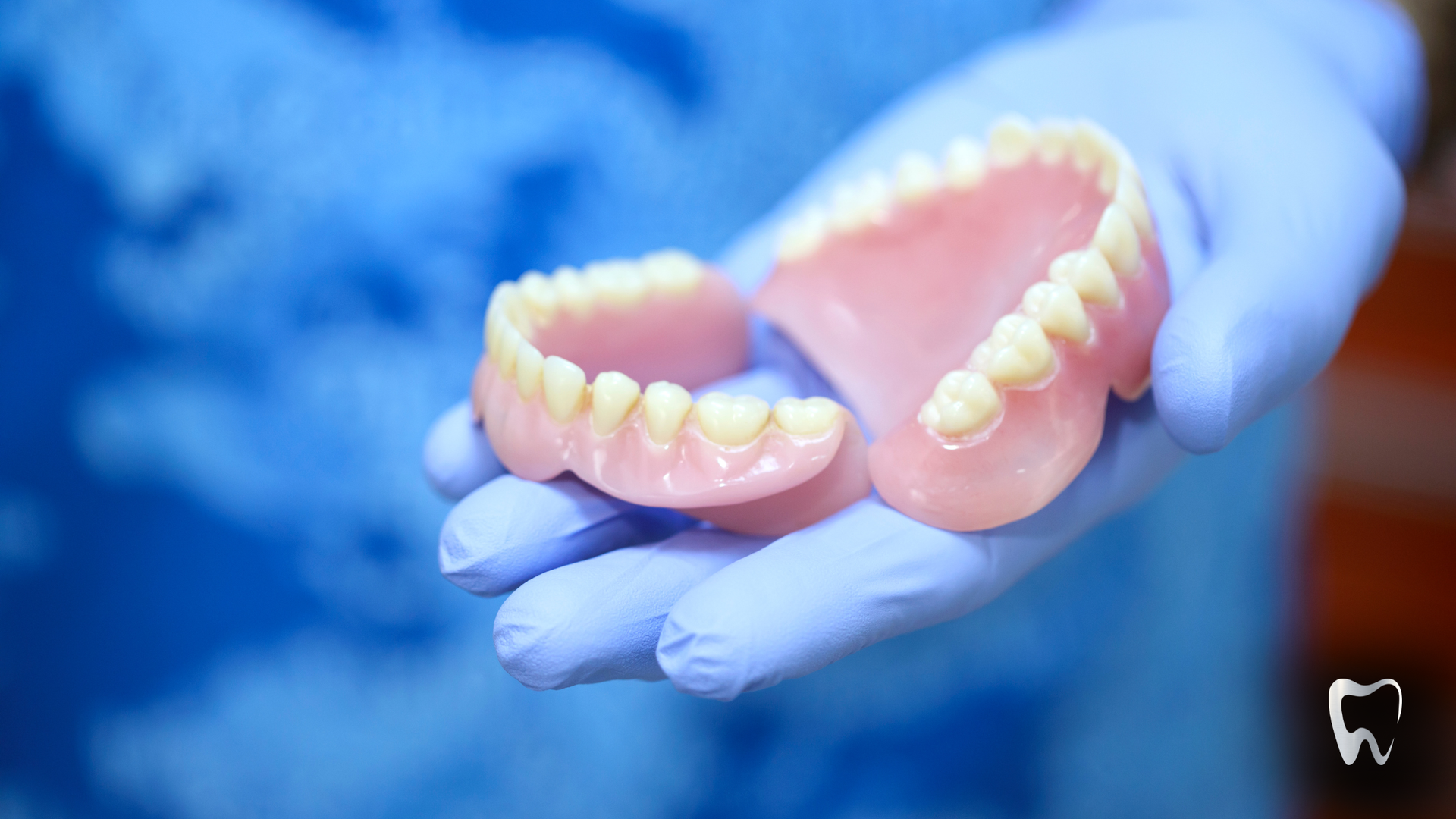
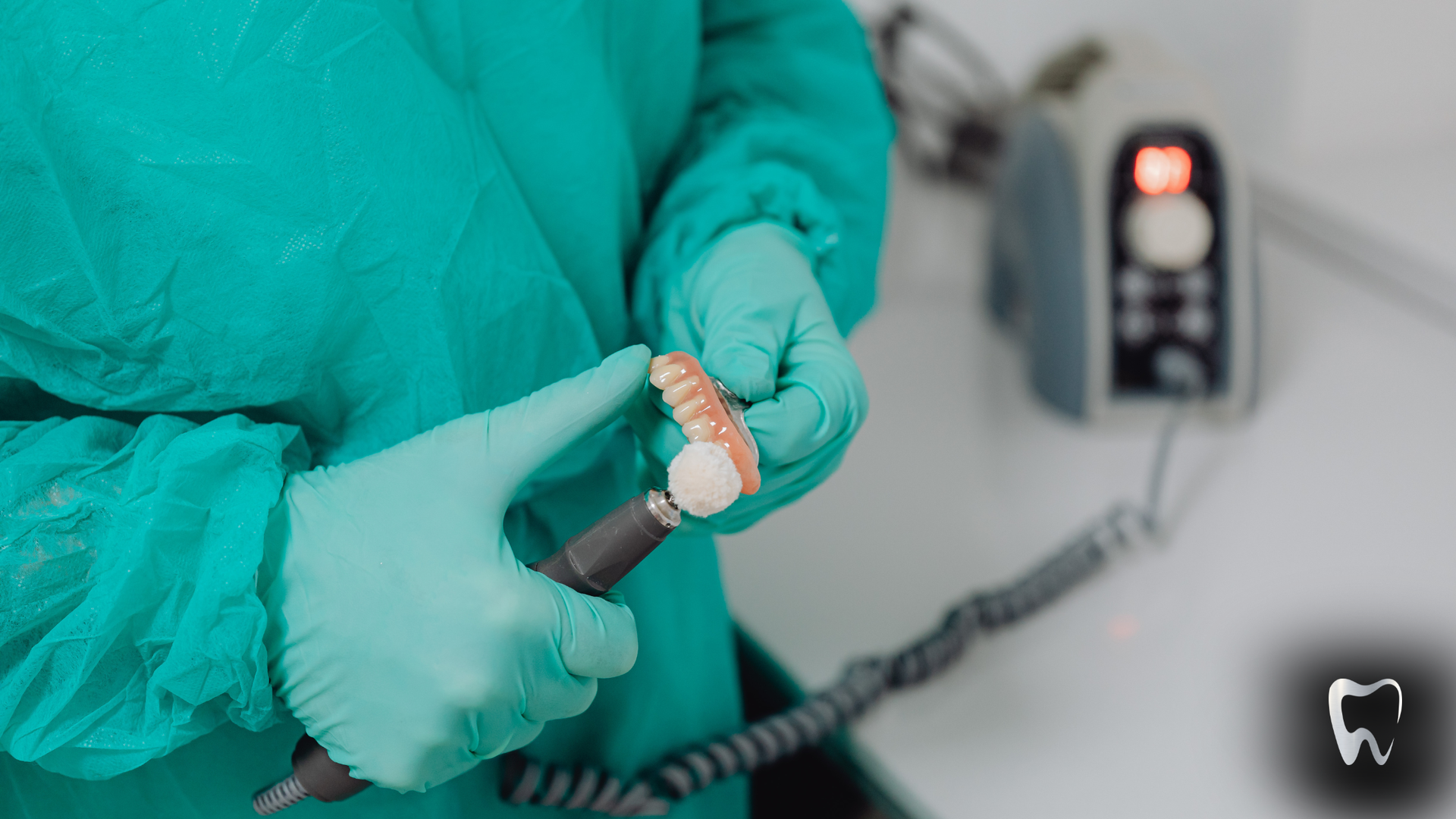
Some problems are isolated enough that the denture can still function well after professional repair. A small fracture, chipped denture tooth, or broken clasp may often be corrected without starting over from scratch. What matters most is whether the denture still fits properly overall and whether the remaining structure remains stable enough to support long-term use.
This is why professional evaluation matters before assuming replacement is necessary.
One of the biggest mistakes patients make is attempting home repairs with household glue or over-the-counter repair kits. While this may seem like a temporary solution, these products often distort the denture fit, damage the acrylic, or create uneven surfaces that irritate oral tissues. In some cases, at-home fixes make professional repair significantly more difficult afterward.
At Rockwest Dental Clinic Mississauga, denture repairs are carefully evaluated not only for visible cracks or fractures, but also for how the denture continues functioning overall after the repair is completed.
Sometimes, a straightforward repair is enough to restore comfort and stability very effectively.
Why Loose Dentures Often Need a Reline Instead
One of the most frustrating situations for denture wearers is when dentures no longer feel secure, even though nothing appears visibly damaged.
Patients often describe dentures lifting while speaking, shifting during meals, or causing sore spots despite looking perfectly intact. In many of these cases, the problem is not the denture itself. The issue is the changing shape of the gums and jawbone underneath it. As bone resorption continues naturally over time, small spaces begin forming between the denture and oral tissues. Even well-made dentures can gradually lose their precise fit because the mouth itself is evolving.
This is where denture relining becomes important.
Rather than replacing the entire denture, a reline reshapes the internal surface so it adapts more accurately to the current contours of the mouth. For many patients, this significantly improves comfort, suction, and stability without requiring a completely new appliance.
Cracked or shifting dentures should not be ignored. At Rockwest Dental Clinic Mississauga, we help patients understand whether their dentures can be repaired, relined, or whether replacement may provide better long-term comfort and function.

The Signs That Dentures May Be Wearing Out

There comes a point where repeated repairs and adjustments may no longer provide predictable long-term results.
Dentures experience years of pressure, chewing forces, temperature changes, and material wear. Over time, acrylic weakens, denture teeth flatten, bite relationships shift, and overall function gradually declines.
What makes this difficult is that many patients adapt slowly to worsening dentures without realizing how much performance has changed.
Some begin avoiding certain foods entirely. Others rely heavily on adhesive throughout the day or stop smiling as confidently because the dentures no longer feel stable. In some situations, patients experience recurring sore spots or irritation simply because the dentures no longer distribute pressure evenly. Replacement may become the better option when:
- fractures occur repeatedly
- relines no longer improve stability sufficiently
- denture teeth become significantly worn
- bite alignment changes noticeably
- the denture base weakens structurally
- aesthetics begin changing substantially over time
The goal is not simply replacing dentures because they are old. The goal is restoring proper function, comfort, support, and long-term oral health.
Why Ill-Fitting Dentures Affect More Than Comfort Alone

Many people assume loose dentures are mainly an inconvenience. In reality, prolonged instability can affect daily function much more than patients expect. Poorly fitting dentures may contribute to:
- chronic gum irritation
- pressure sores
- difficulty chewing nutritious foods
- speech changes
- jaw discomfort
- accelerated bone loss over time
Some patients unconsciously begin limiting social activities or avoiding restaurants because they no longer trust how their dentures feel in public situations.
This is one reason regular denture evaluations remain important even when there are no major fractures or emergencies. Small fit problems often become easier to address before they turn into larger structural or functional concerns.
The Best Treatment Depends on What Has Actually Changed
One of the reasons denture problems become confusing is that similar symptoms may require completely different solutions.
A crack may need repair. A loose fit may need relining. Ongoing instability despite adjustments may point toward replacement instead. The challenge is that patients often cannot determine the true cause simply based on discomfort alone.
At Rockwest Dental Clinic Mississauga, denture evaluations focus on understanding both the condition of the denture itself and the health of the tissues supporting it. This allows treatment recommendations to stay conservative when possible while still addressing long-term function and comfort properly.
Comfortable Dentures Should Still Feel Stable and Natural

Dentures should not constantly shift, irritate tissues, or make daily activities stressful.
Whether the solution involves a repair, a reline, or replacement entirely, addressing denture problems early often prevents larger complications from developing later. Small adjustments made at the right time may significantly improve comfort, function, and confidence.
At Rockwest Dental Clinic Mississauga, denture care focuses on helping patients maintain long-term oral comfort and stability as their needs change over time. Understanding why dentures feel different is often the first step toward finding the most appropriate solution before discomfort continues progressing further.